Arthritis Loves Laziness: Why Movement is Medicine
Arthritis is a chronic disease that affects the joints. The condition’s progression depends on how you manage your symptoms. Unfortunately, some people use their pain as an excuse for avoiding the recommended exercise. However, such laziness actually increases many of the harmful symptoms of arthritis and should be avoided.
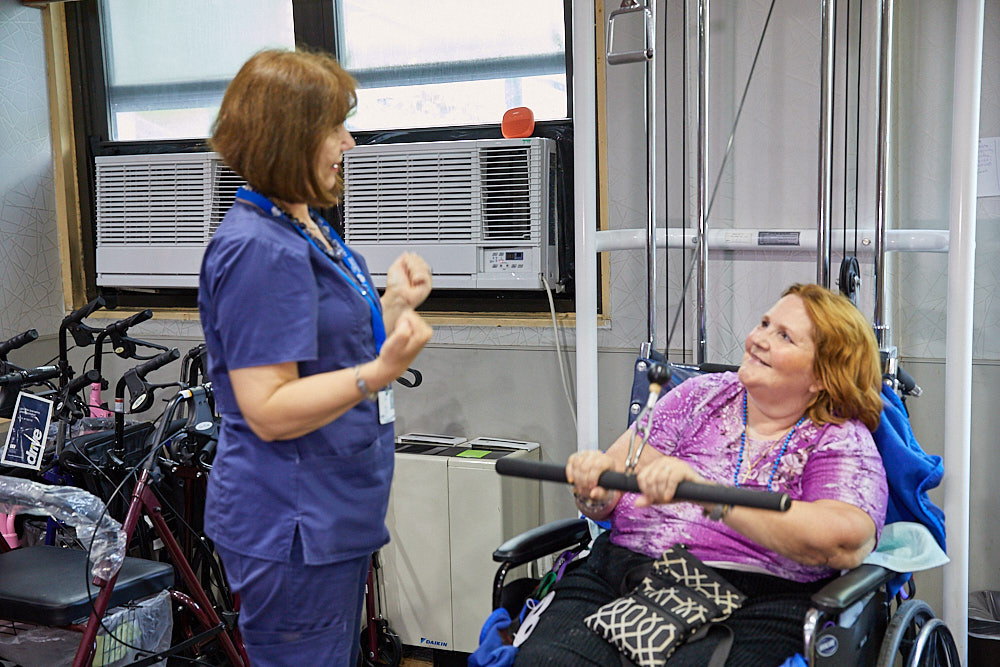
Several treatments are available to manage your arthritis. However, the best results often result from physical therapy and other forms of exercise. These movements rebuild strength, reduce inflammation, and increase circulation and lubrication. For more information on why movement is important and how inactivity increases symptoms, keep reading.
Arthritis: Laziness Kills Your Joints
Overworking an arthritic joint increases discomfort and swelling, so resting the area often alleviates your symptoms. However, according to recent studies, those pain-free resting sessions are short-lived. Experts stated that reduced discomfort at the end of the day meant increased symptoms the next morning. Let’s take a look at how those extended inactivity periods affect and damage your arthritic joints and see what exactly happens to them.
Reduced blood flow to cartilage
Recent studies have shown a link between arthritis and cardiovascular disease, likely due to inactivity or laziness. When individuals lack exercise, their arteries become thick and stiff, which prevents proper blood flow. Without strong circulation, oxygen and nutrients don’t reach the joint as required.
Reduced blood flow does more damage to the joint than most people realize. Cartilage loss is common in arthritis. However, experts state that the loss of fluid and nutrients prevents tissue rebuilding. The cartilage degrades more quickly, leading to increased discomfort and inflammation in the joint.
The bones around the cartilage are also affected by circulation issues. They become less supportive, allowing those cushions to break down further, causing the bones to rub together even more.
Weakened muscles
Relaxing occasionally is normal, but laziness often worsens arthritis symptoms. However, the discomfort isn’t always due to joint damage. A lack of support is often the culprit, which has more to do with your muscles than the joint.
Exercise is vital to building muscle and increasing strength. When your body isn’t moving, the muscles weaken, including those around the wrists, knees, and other joints. The weaker those muscles become, the less support the joints receive, and the higher levels of pain you’ll experience.
The only way to rebuild those weakened muscles is to incorporate exercise into your daily routine. Doing so increases strength in the muscles and bones. Activity also helps with weight management, reducing excess stress on the joints.
Poorly lubricated joints
The synovial joints are the movable ones in the arms, shoulders, legs, and hips. The synovial membranes in these joints produce lubricating fluid, preventing damaging friction between the bones.
Unfortunately, arthritis often alters the synovial membrane’s ability to create the necessary fluid. Avoiding exercise due to laziness often exacerbates the issue and increases uncomfortable arthritis symptoms. Pain, swelling, discoloration, or movement issues may occur.
However, exercise stimulates the production of synovial fluid, increasing lubrication. The joint moves more smoothly, reducing pain and stiffness. The more frequently you exercise, the better your joints will feel.
Resources:
- PMC, Sept. 18, 2018, Daily Sedentary Behavior Predicts Pain and Affect in Knee Arthritis
https://pmc.ncbi.nlm.nih.gov/articles/PMC6546935/ - PMC, Dec. 22, 2016, Osteoarthritis and the risk of cardiovascular disease: a meta-analysis of observational studies
https://pmc.ncbi.nlm.nih.gov/articles/PMC5177921/?utm_source=chatgpt.com - PubMed, Aug. 10, 2007, Vascular pathology and osteoarthritis
https://pmc.ncbi.nlm.nih.gov/articles/PMC5177921/?utm_source=chatgpt.com - Arthritis Foundation, Causes of Fatigue in Arthritis
https://www.arthritis.org/health-wellness/healthy-living/managing-pain/fatigue-sleep/causes-of-fatigue-in-arthritis - Mayo Clinic, Sept. 21, 2023, Exercise helps ease arthritis pain and stiffness
https://www.mayoclinic.org/diseases-conditions/arthritis/in-depth/arthritis/art-20047971 - Cleveland Clinic, May 16, 2023, Synovial Membrane
https://my.clevelandclinic.org/health/body/25002-synovial-membrane - Arthritis Foundation, 8 Ways Exercise Helps Your Joints
https://www.arthritis.org/health-wellness/healthy-living/physical-activity/getting-started/8-ways-exercise-helps-joints
This article contains informational and educational materials and does not replace health or medical advice. For questions or concerns regarding your medical condition or health objectives, speak to a qualified physician or healthcare provider.



Leave A Comment