5 Possible Causes of Sudden Trouble Speaking
Sudden trouble speaking has several possible causes, some of which are more concerning than others. It’s often temporary, such as communication difficulties during an anxiety attack or migraine. You’ll eventually regain these skills without the need for medical intervention.
However, verbal interactions could be a symptom of a neurological condition, such as a stroke. If you notice you’re having trouble talking or understanding others, even without other symptoms, don’t ignore it. Some conditions require immediate medical attention to avoid long-term or permanent damage. For more information on the most common speech issues, keep reading.

Sudden Trouble Speaking
It’s difficult to pinpoint the cause of sudden communication problems, as they’re a symptom of several medical conditions. For instance, severe dehydration or heat stroke alter your mental state, causing confusion and slurred speech. Neurological conditions, including Alzheimer’s, dementia, cancer, or MS, may also affect speech, though it’s rarely sudden. The following sections cover the five most common causes of unexpected speech and language issues.
1. Stroke
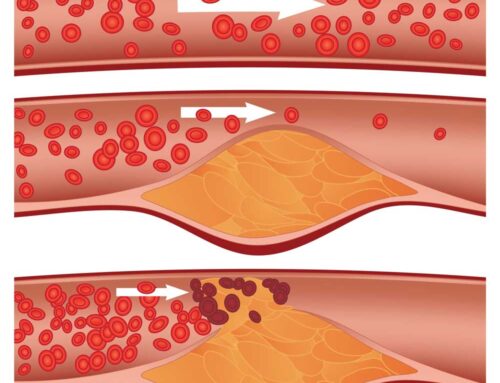
Strokes are the most common cause of sudden trouble speaking. According to experts, 90% of strokes result from blocked blood vessels and 10% occur from bleeding in the brain. Despite the cause, the symptoms are usually the same.
Strokes affect communication when the area of the brain controlling language is damaged. You may experience difficulty choosing words or understanding others. Weakness in the muscles used for speech also alters your ability to form words.
2. Transient ischemic Attack (TIA)
Similar to a stroke, a transient ischemic attack occurs when blood flow to the brain is interrupted. However, the blockage soon breaks up, allowing circulation to resume without medical intervention.
Though brief, TIA’s often cause concerning symptoms, including sudden trouble speaking, vision problems, and confusion. These symptoms can last from an hour to a day but aren’t usually life-threatening. However, to avoid the risk of permanent damage, it’s best to seek medical attention immediately.
3. Migraine aura
Recent studies state that approximately 25% of people with migraines have preceding auras. Though vision and hearing issues are well-known symptoms, sudden trouble speaking is common among those aged 50 and younger.
According to experts, such sensory auras may result in weakness or numbness in the face, mouth, and tongue. Such facial sensations affect your ability to form words. Decreased word-finding skills, changes to speaking rate, and other symptoms may even persist into the migraine’s headache phase.
4. Low blood sugar (Hypoglycemia)
Though it’s usually associated with diabetes, hypoglycemia affects anyone whose blood sugar drops to unhealthy levels. It could result from skipping meals, lacking necessary nutrients, high activity levels, or certain medications.
Possible symptoms include shaking, sweating, chills, weakness, or an increased heart rate. However, sudden trouble speaking often occurs, particularly slurred speech. Confusion and difficulty concentrating are also common signs, which may contribute to your communication issues.
5. Anxiety or panic attack
Anxiety and panic attacks are similar, though they often present differently. Experts state anxiety is frequent and ongoing, especially in certain situations, such as public settings. Dry mouth, breathing troubles, soft speech, and a shaky voice are possible symptoms.
Panic attacks are single or occasional episodes lasting up to an hour. You may experience both mental and physical symptoms, including sudden trouble speaking. These attacks may also accompany other conditions, including depression, OCD, bipolar disorder, or thyroid issues.
Resources:
- Cleveland Clinic, Dehydration
https://my.clevelandclinic.org/health/diseases/9013-dehydration - Mayo Clinic, Heatstroke
https://www.mayoclinic.org/diseases-conditions/heat-stroke/symptoms-causes/syc-20353581 - MedlinePlus, Speech impairment in adults
https://medlineplus.gov/ency/article/003204.htm - NHLBI, What Is a Stroke
https://www.nhlbi.nih.gov/health/stroke - Stroke Association, Communication problems
https://www.stroke.org.uk/stroke/effects/aphasia/communication-problems - NINDS, Transient Ischemic Attack
https://www.ninds.nih.gov/health-information/disorders/transient-ischemic-attack-tia - NCBI, Feb. 29, 2024, Migraine With Aura
https://www.ncbi.nlm.nih.gov/books/NBK554611/ - PMC, Nov. 17, 2018, Altered speech with migraine attacks: A prospective, longitudinal study on episodic migraine without aura
https://pmc.ncbi.nlm.nih.gov/articles/PMC6939667/ - Cleveland Clinic, Hypoglycemia (Low Blood Sugar)
https://my.clevelandclinic.org/health/diseases/11647-hypoglycemia-low-blood-sugar - Mayo Clinic Health System, My 16, 2022 Overwhelmed by anxiety?
https://www.mayoclinichealthsystem.org/hometown-health/speaking-of-health/overwhelmed-by-anxiety - NIMH, Panic Disorder: What You Need to Know
https://www.nimh.nih.gov/health/publications/panic-disorder-when-fear-overwhelms
This article contains informational and educational materials and does not replace health or medical advice. For questions or concerns regarding your medical condition or health objectives, speak to a qualified physician or healthcare provider.





Leave A Comment