How Physical Strength Supports Neurological Recovery
Neurological conditions often weaken physical strength, disrupt coordination, and limit movement. Because the brain controls how your body functions, any damage to the nervous system can affect strength, balance, and daily activity. Rebuilding physical strength is a key part of recovery, helping restore movement, improve coordination, and reduce symptoms.
Targeted exercises are crucial to improve balance and restore mobility. Physical therapy is often recommended to help you regain function safely and effectively. Understanding how physical strength supports neurological recovery can help you take the right steps toward better health and independence.
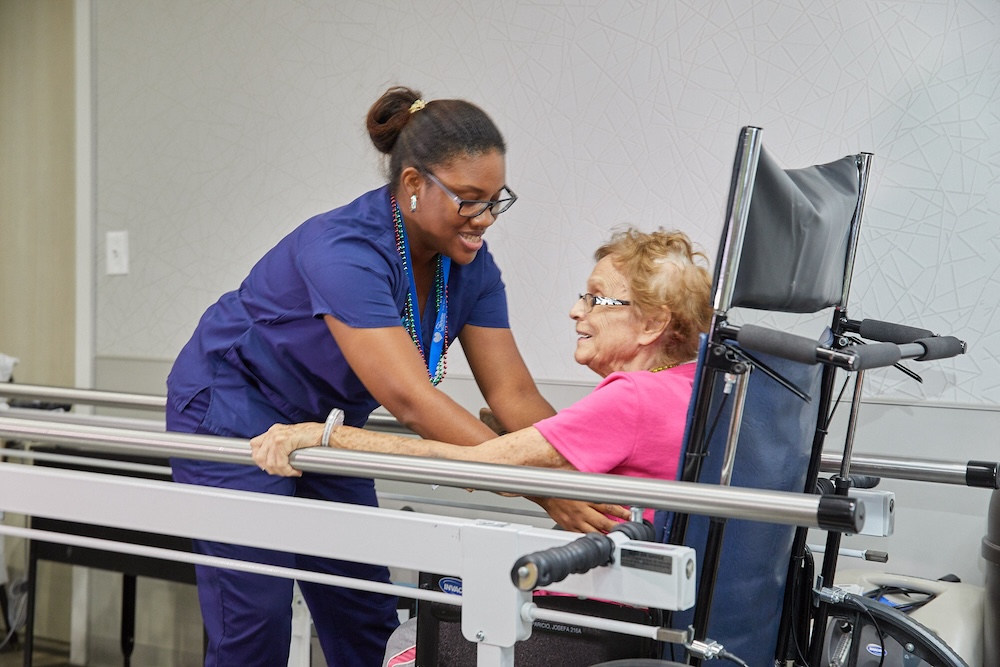
Why Physical Strength is Key to Improving Neurological Conditions
According to experts, the brain and muscles communicate using the nervous system 1. When you want to move, the brain sends electrical signals to the body through your nerves. Unfortunately, conditions affecting the brain may disrupt these messages, causing weakness, fatigue, pain, spasms, and other symptoms. However, rebuilding strength reduces symptoms by improving connections and helping you regain lost functions. The following points explain why physical strength is crucial for neurological recovery.
Restores brain-body connection
Falls, accidents, strokes, and other brain injuries often cause functional impairments, including memory or coordination issues. Depending on the cause, location, and severity of the damage, you may also experience muscle weakness.
However, after such trauma, the brain shifts into synaptogenesis, according to experts 2. This phase triggers the creation of new neurons and the repair of damaged tissue. Neuroplasticity is another vital process that restores neural connections. If needed, new pathways are created to maintain crucial functions, including those managing the body.
Regaining physical strength through exercise improves neurological recovery by stimulating brain growth factors that boost neuroplasticity 3. Circulation improves as stress and inflammation decrease, helping you regain cognitive function and strengthen your body.
Improves balance and reduces fall risk
Medical professionals list neurological disorders, such as Alzheimer’s and Parkinson’s, as conditions that alter balance 4. These disorders affect your nervous system and its functions, altering stability and coordination.
When you combine these issues with muscle weakness, falls become more likely. In fact, studies show that weakness in the lower extremities increases the risk of falls 5. Upper body strength also contributes to balance problems, though to a lesser degree.
Physical strength may not entirely eliminate your fall risk from neurological problems. However, according to recent studies, exercise reduces the frequency of falls in those with such disorders 6. Experts also state that combining strengthening exercises with balance training offers the best results for improving balance and mobility 7.
Supports your independence and daily function
When neurological problems result in weakness and other mobility issues, your ability to perform daily tasks suffers. Even those that seem easy, like making a sandwich or dressing yourself, often require assistance from others. This loss of independence often increases cognitive decline.
Exercise helps you rebuild your physical strength and slow neurological deterioration. Studies show that exercise improves circulation, so the brain receives sufficient supplies of oxygen and nutrients 8. This improves brain function and slows neurodegenerative processes.
Physical activity also maintains muscle mass and bone density, which improves mobility and coordination 9. The stronger your body is, the more capable you are of performing those necessary daily activities on your own.
Resources:
- Health Direct, Neuromuscular system and diseases
https://www.healthdirect.gov.au/neuromuscular-system - American Brain Foundation, Feb. 4, 2026, Neuroplasticity and How the Brain Heals After Injury
https://www.americanbrainfoundation.org/neuroplasticity-healing-after-tbi/ - Harvard Health Publishing, April 2, 2025, Tips to leverage neuroplasticity to maintain cognitive fitness as you age
https://www.health.harvard.edu/mind-and-mood/tips-to-leverage-neuroplasticity-to-maintain-cognitive-fitness-as-you-age - Cleveland Clinic, July 11, 2024, Neurological Disorders
https://my.clevelandclinic.org/health/diseases/neurological-disorders - PubMed, July 2004, Muscle weakness and falls in older adults: a systematic review and meta-analysis
https://pubmed.ncbi.nlm.nih.gov/15209650/ - PubMed, Oct. 2019, Exercise Interventions for Individuals With Neurological Disorders: A Systematic Review of Systematic Reviews
https://pubmed.ncbi.nlm.nih.gov/31206360/ - Frontiers, Aug. 2, 2023, Effectiveness of exercise interventions on fall prevention in ambulatory community-dwelling older adults: a systematic review with narrative synthesis
https://www.frontiersin.org/journals/public-health/articles/10.3389/fpubh.2023.1209319/full - PMC, Jan. 7, 2023, The Effects of Exercise for Cognitive Function in Older Adults: A Systematic Review and Meta-Analysis of Randomized Controlled Trials
https://pmc.ncbi.nlm.nih.gov/articles/PMC9858649/ - MCOA, May 6, 2025, The Benefits of Physical Activity for Older Adults
https://mcoaonline.org/the-benefits-of-physical-activity-for-older-adults/
This article contains informational and educational materials and does not replace health or medical advice. For questions or concerns regarding your medical condition or health objectives, speak to a qualified physician or healthcare provider.


Leave A Comment