Why Animal Therapy Helps When Nothing Else Does
Several therapies assist in recovery after a medical emergency or when managing long-term conditions. However, not all therapies work for every ailment. For some people, less traditional methods offer benefits that other treatments may lack. One option is animal therapy, which helps to improve emotional, social, and even physical health in many individuals.
Humans bond with animals differently than with other humans since animals offer no judgment. Such interactions allow people to receive emotional and social support without the additional societal pressure. Pet therapy helps people of all ages with varying conditions, including neurological conditions such as ADHD and dementia, as well as PTSD. For more information on the benefits of this therapy, keep reading.
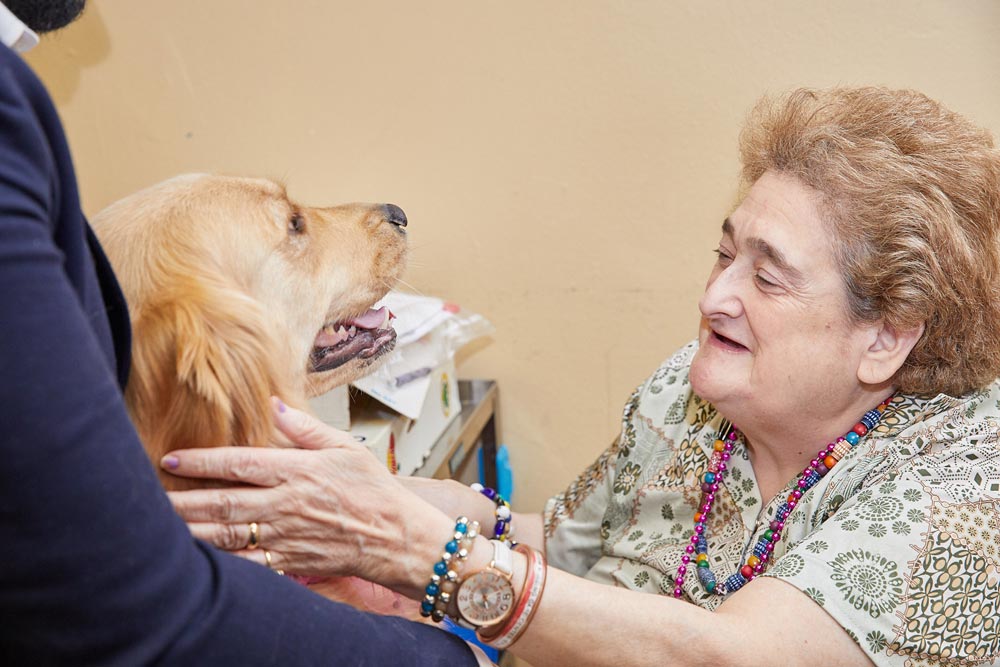
How Animal Therapy Helps
According to experts, animal therapy tailors the use of trained animals, including dogs, rabbits, or horses, to meet therapy goals 1. Such treatment often improves focus, socialization, and healing while reducing stress and anxiety. It may even help those who struggle with other therapies in various ways, which we’ll discuss in the following sections.
It breaks emotional walls when nothing else works
We build emotional walls to protect us from pain, vulnerability, rejection, and to maintain control, according to experts 2. They also state that doing so may lead to isolation, loneliness, disconnection, misunderstandings, and stunted emotional growth.
The more severe the trauma from PTSD and other conditions, the higher and thicker those walls become. Over time, you may struggle to open yourself up, even with those closest to you.
However, animal therapy often helps those dealing with trauma or other emotional barriers. Studies show that some animals, particularly dogs, have a unique ability to interpret social cues and emotional states 3. This helps them engage with and bond with others, encouraging communication and social interaction when other therapies fail.
It calms the body
Stress is a normal part of life, but chronic stress does a number on your body. It causes muscle tension, headaches, pain, respiratory complications, hypertension, and other serious conditions 4.
Animal therapy helps to combat stress by calming your mind, which relaxes your body. According to experts, interacting with animals reduces the primary stress hormone cortisol 5. Stroking or playing with these pets also stimulates the parasympathetic nervous system, slowing the stress response and encouraging relaxation.
Evidence shows that pet therapy releases serotonin, oxytocin, and other mood-boosting hormones 6. Not only does it reduce stress and anxiety, but it also slows breathing, heart rate, and blood pressure. Pain also decreases, often requiring less medication to manage.
It gives people a reason to engage with life again
Social isolation often occurs in seniors for various reasons. These include financial concerns, mobility problems, medical conditions, lack of transportation, or loss of loved ones 7. The longer the isolation continues, the harder it becomes to engage with life again.
However, animal therapy may improve socialization in those dealing with isolation. During sessions, people talk or play with the pets, developing a bond. They may also interact with trainers or others in group sessions, becoming more sociable and helpful 8. They interact positively with their surroundings, engaging in ways not achieved by other therapies.
Experts also state that animal therapy helps to improves self-esteem since you’re required to care for the pet 9. Feeding and nurturing them may encourage you to care for yourself the same way, improving your quality of life and self-worth.
Resources:
- Hudson University Online, The Benefits of Animal-Assisted Therapy: How Animals Help Improve Health and Well-Being
https://www.husson.edu/online/blog/2022/07/benefits-of-animal-assisted-therapy - Mindless Labs, Oct. 27, 2025, Understanding Emotional Barriers in Relationships
https://mindless.org/understanding-emotional-barriers-in-relationships/ - PMC, Mar. 18, 2024, The Role of Animal-Assisted Therapy in Enhancing Patients’ Well-Being: Systematic Study of the Qualitative and Quantitative Evidence
https://pmc.ncbi.nlm.nih.gov/articles/PMC10986847/ - APA, Oct 21, 2024, Stress effects on the body
https://www.apa.org/topics/stress/body - Perspectives on Integrative Medicine, Oct. 31, 2024, The Role of Animal Assisted Therapy in the Rehabilitation of Mental Health Disorders: A Systematic Literature Review
https://www.integrmed.org/journal/view.php?number=55 - UCLA Health, Animal Assisted Therapy & What Science Says
https://www.uclahealth.org/programs/pac/about-us/animal-assisted-therapy-research - NIH, Loneliness and Social Isolation – Tips for Staying Connected
https://www.nia.nih.gov/health/loneliness-and-social-isolation/loneliness-and-social-isolation-tips-staying-connected - APA PsycNet, Animal-assisted therapy in psychiatric rehabilitation
https://psycnet.apa.org/record/2000-07711-007 - Walden University, 5 Ways Pet Therapy Can Be Helpful
https://www.waldenu.edu/online-masters-programs/ms-in-clinical-mental-health-counseling/resource/five-ways-pet-therapy-can-be-helpful
This article contains informational and educational materials and does not replace health or medical advice. For questions or concerns regarding your medical condition or health objectives, speak to a qualified physician or healthcare provider.




Leave A Comment