Fascia Pain: What You Need to Know
Fascia consists of several layers of tissue surrounding the muscles, bones, organs, blood vessels, and nerves. When this tissue is sore, people often mistake it for muscle or joint aches. While movement can increase discomfort in these areas, physical activity can reduce fascia pain. Knowing how to recognize the differences and how to treat them is vital for overall health.
Exercise and physical therapy are frequently recommended to treat your sore or the affected tissue. Based on the cause, a trained therapist will create a treatment plan. This may include exercise, stretching or other options to manage or eliminate your symptoms. Here is more on discomfort caused by it and what to do about this condition.

What Causes Fascia Pain?
According to medical professionals, some types of fascia contain more sensory nerves than skin or muscles 1. When it’s inflamed, irritated, or dehydrated, it sends powerful pain signals. The following conditions can cause fascia to stick to nearby tissue, lose elasticity, or create uncomfortable trigger points.
- Poor posture
- Inactivity,
- Repetitive strain,
- Injury
Fascia pain is also linked to conditions like:
- Plantar fasciitis
- Myofascial pain syndrome
- Hernia
- Frozen shoulder
- Marfan syndrome 2.
Symptoms
Fascia pain has several common symptoms, including constant dull, achy pain, which may worsen when touched or moved. You may also experience tightness or stiffness in the affected area or throughout your body, which restricts your movement. These symptoms may be mistaken for muscle pain, so speak to your doctor to determine the cause.
Although treatment often reduces fascia pain, ignoring the problem may lead to fasciitis, which may have several causes, depending on the type. These include inflammation and potential long-term problems.
For instance, plantar fasciitis occurs when the band of this condition in the foot is damaged 3. Symptoms include stiffness and dull, aching, or sharp pain in the heel. It may worsen when standing, climbing stairs, running, or jumping.
Eosinophilic fasciitis is a rare autoimmune condition causing skin hardening, according to experts 4. Symptoms usually develop quickly, such as pain, swelling, inflammation, tenderness, reddening, shallow grooves, and loss of elasticity. The arms and legs are most often affected.
Physical therapy
Fascia pain reacts positively to movement, according to medical professionals 6. Unlike muscles and joints, which hurt during exercise, fascia feels better with activity. That’s why physical therapy is the most recommended treatment.
Exercise helps it stay soft and elastic rather than rigid and tough. Stretching may also reduce inflammation and other uncomfortable symptoms. Maintaining good posture also helps prevent tissue tightness caused by fascia.
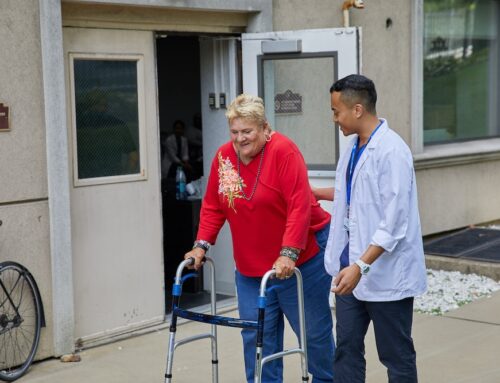
Once a trained physical therapist determines the cause of your pain, they customize your exercise routine. For instance, studies show that a combination of foot stretches and ice massage may benefit plantar fasciitis 7. If splints, orthotics, assistive devices, or medications are required, your physical therapist will discuss these options.
Massage may also benefit those with fascia pain. Your physical therapist can determine whether massage is appropriate. Myofascial release therapy focuses on stiff trigger points in the fascial tissue. Using gentle, constant pressure releases the tension causing those sore spots and relieves discomfort.
Resources:
- Brown Health, Mar. 10, 2026, What is Fascia? Facts About Fascia and How it Might Be Causing Your Pain
https://www.brownhealth.org/be-well/what-fascia-facts-about-fascia-and-how-it-might-be-causing-your-pain - Cleveland Clinic, June 14, 2022, Fascia
https://my.clevelandclinic.org/health/body/23251-fascia - MedlinePlus, Plantar fasciitis
https://medlineplus.gov/ency/article/007021.htm - NORD, May 9, 2016, Eosinophilic Fasciitis
https://rarediseases.org/rare-diseases/eosinophilic-fasciitis/ - CDC, Aug. 7, 2025, About necrotizing Fasciitis
https://www.cdc.gov/group-a-strep/about/necrotizing-fasciitis.html - Johns Hopkins Medicine, Muscle Pain: It May Actually Be Your Fascia
https://www.hopkinsmedicine.org/health/wellness-and-prevention/muscle-pain-it-may-actually-be-your-fascia - PMC, April 2016, Management of plantar fasciitis in the outpatient setting
https://pmc.ncbi.nlm.nih.gov/articles/PMC4853481/ - Cleveland Clinic, Aug. 15, 2022, Myofascial Release Therapy
https://my.clevelandclinic.org/health/treatments/24011-myofascial-release-therapy
This article contains informational and educational materials and does not replace health or medical advice. For questions or concerns regarding your medical condition or health objectives, speak to a qualified physician or healthcare provider.





Leave A Comment