How a Smile Can Reach Someone with Dementia
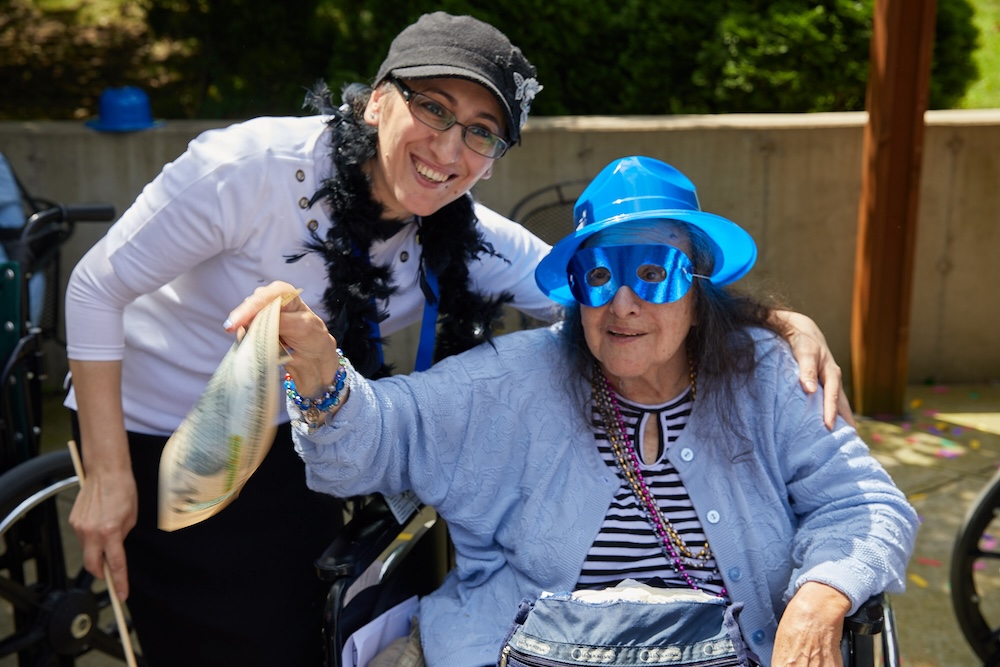
Dementia causes confusion, loneliness, isolation, and frustration due to cognitive impairment. Those with the condition also become frustrated with family members, who may then return these emotions. This creates a vicious cycle of complaints and negative feelings, often resulting in dementia sufferers losing touch with others. However, staying calm and offering kind smiles and gentle touches may reach someone with dementia and improve their symptoms.
Of course, smiling isn’t the only way to help someone with dementia. Since the condition is neurological, other treatments are often needed to manage the symptoms. Physical therapy improves blood and oxygen flow to the brain while occupational therapy helps build routines they can manage. But smiling improves communication and emotional support, which we’ll discuss below.
Why a Smile Can Matter in Dementia
According to experts, dementia results from brain cell death, which causes behavioural changes 1. Those with the condition lose focus, attention, motivation, and memory, while frustration, anger, and confusion increase. These changes cause them to look to others for emotional cues and mirror the emotions they see. Rather than displaying frustration and anger, calm, genuine smiles offer reassurance, friendliness, and positivity, which helps dementia sufferers relax.
It makes them feel safe
People with dementia often live with a sense of fear and uncertainty because they may not remember or understand what is happening around them. When someone approaches them with love, care, kindness, and a warm hug, they can immediately feel safer and loved. Even if they don’t fully understand the situation, they can still feel that someone they trust is there with them.
It improves communication
A lot of human communication is non-verbal. We frequently use hand gestures, facial expressions, and body language rather than words. However, dementia patients rely on these skills more than others since their verbal skills worsen over time, according to experts 2. In fact, in the later stages of the condition, communication may be almost non-existent.
However, you can reach dementia sufferers in other ways, including with a smile. Studies show that smiling during interactions often elicits similar smiles in response 3. It encourages feelings of friendliness, activates the brain’s reward center, and helps build rapport.
How you smile also affects how people with dementia react to you. A forced smile with a negative tone may upset or distress people with this neurological condition. A genuine smile with a calm tone eases tension, increases relaxation, and encourages interaction. Adding a gentle touch or hug when appropriate improves the connection, as do slow movements and relaxed body language.
It reduces stress
Studies show that chronic stress increases the risk of dementia by damaging neurons and compromising brain functions 4. Experts also state that living with the mental decline of dementia increases stress 5. Anxiety, tension, irritability, lack of focus, memory issues, and other dementia symptoms worsen as stress levels rise.
Luckily, the right smile may reduce stress in people with dementia. According to experts, different smiles elicit varying responses 6. Reward smiles show happiness and encourage certain behaviors, while affiliation smiles improve bonding. The more genuine your smile is, the calmer the dementia sufferer may become.
Such smiles may also encourage reciprocation among those with dementia. Smiling triggers the release of endorphins and lowers the levels of the stress hormones cortisol and adrenaline 7. So, smiling boosts their mood while reducing stress. Blood pressure and pain also decrease, reducing the physical symptoms of stress, so they feel better as well.
Resources:
- UCSF, Behaviour & Personality Changes
https://memory.ucsf.edu/caregiving-support/behavior-personality-changes - Alzheimer’s Society, Non-verbal communication and dementia
https://www.alzheimers.org.uk/about-dementia/stages-and-symptoms/dementia-symptoms/non-verbal-communication-and-dementia - Frontiers, Aug. 8, 2024, The other person’s smiling amount affects one’s smiling response during face-to-face conversations
https://www.frontiersin.org/journals/behavioral-neuroscience/articles/10.3389/fnbeh.2024.1420361/full - PMC, Oct. 12, 2025, Stress, Stress Management, and Dementia: A Narrative Review
https://pmc.ncbi.nlm.nih.gov/articles/PMC12604644/ - Dementia Canterbury, Oct. 12, 2022, Stress and Dementia
https://dementiacanterbury.org.nz/stress-and-dementia/ - NIH, March 13, 2018, Smiles affect response to stress
https://www.nih.gov/news-events/nih-research-matters/smiles-affect-response-stress - Walden University, The Power of Smiling
https://www.nih.gov/news-events/nih-research-matters/smiles-affect-response-stress
This article contains informational and educational materials and does not replace health or medical advice. For questions or concerns regarding your medical condition or health objectives, speak to a qualified physician or healthcare provider.




Leave A Comment