Speeding Up TBI Recovery with Fitness: See Why It Works
Traumatic brain injuries occur when you sustain a forceful blow to the head or body. Although minor injuries may heal quickly, severe injuries may be long-lasting. Treatment varies depending on the extent of the damage and symptoms you’re experiencing. However, rehabilitation professionals often recommend fitness to speed up and support TBI recovery.
Some people may even require physical therapy after such brain injuries. A trained physical therapist guides you through exercises that rebuild strength, improve circulation, and help manage symptoms. They’ll also offer safe at-home options to support your recovery.
For more information on how exercise helps after TBI, keep reading.
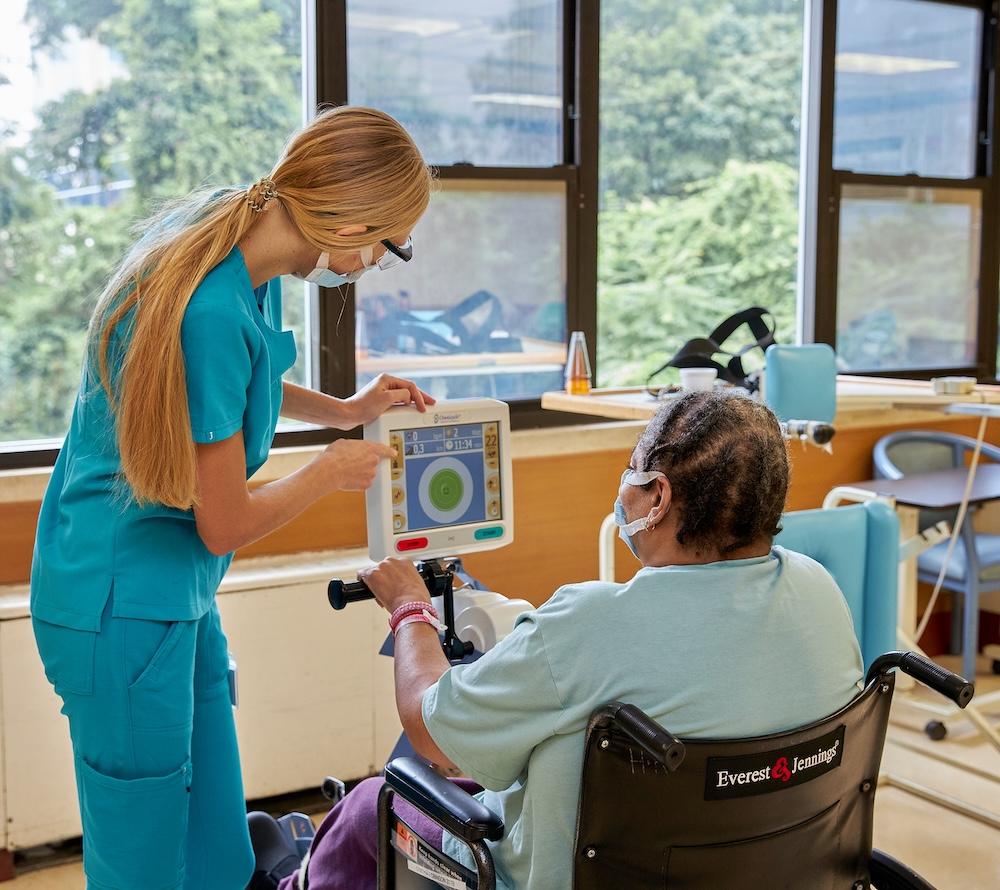
Fitness for Faster TBI Recovery
According to brain specialists, TBI has several possible physical, cognitive, and behavioral symptoms 1. These include headache, vision problems, slurred speech, confusion, sleep issues, irritability, fatigue, loss of balance, weakness, and mood changes. Although several treatment options can manage specific symptoms, fitness can also support rehabilitation alongside these treatments and make them more effective. Let’s take a look at the benefits of exercise for this condition.
Improves brain function
According to experts, brain functions are often altered after a traumatic brain injury 2. People often have issues with attention, information processing, organization, memory, problem-solving, and communication. These experts offer various techniques to improve individual symptoms.
While different treatments address specific symptoms, exercise and fitness also play an important role in the TBI recovery process. Studies suggest that aerobic exercise may improve cardiovascular fitness and support healthy blood flow to the brain 3. There is also evidence that exercise may promote neuroplasticity, so the brain is more capable of forming new neural connections.
These factors may improve your brain’s ability to function as intended. Cognition improves, including memory, attention, and processing speeds. The more often you work your body, the more your brain functions improve.
Builds strength
Brain injury specialists list several physical symptoms that result from this condition 4. These include mobility problems, uncontrolled movements, weakness, sensation impairment, balance issues, dizziness, and paralysis.
These symptoms affect your ability to walk, even with support, and increase your risk of falls. Even simple tasks, such as dressing or bathing, are more difficult to perform. Although occupational therapy does help with some of these, fitness is recommended to improve and speed up your TBI recovery.
- Aerobic activities, such as walking, swimming, or cycling, increase your heart rate and endurance 5.
- Strengthening exercises build muscle, which improves mobility, balance, and gait.
Discuss any new exercise routines with your doctor or nurse before you begin to prevent further damage or injury.
Helps to improve mood and energy
Emotional changes, fatigue, and confusion are common after brain injuries. Fitness training can help speed up TBI recovery by improving blood circulation and overall mood responses. Exercise increases cerebral circulation, cell regeneration, and serotonin release while reducing stress responses. Mood boosts also improve self-esteem, social interactions, and energy. The more often you exercise, the more positive your mood will become.
Mood changes frequently occur after a traumatic brain injury, according to experts 6. Survivors often experience depression, anxiety, hostility, irritability, or confusion. The more severe the brain damage, the higher the symptom intensity.
Fatigue is also common after such injuries. The fatigue could be physical, often from muscle weakness, or psychological from stress, anxiety, or depression 7. Mental fatigue also occurs since the brain has to work harder to focus.
Resources:
- NIH, Traumatic Brain Injury (TBI)
https://www.ninds.nih.gov/health-information/disorders/traumatic-brain-injury-tbi - MSKTC, Cognition Problems after Traumatic Brain Injury
https://msktc.org/tbi/factsheets/cognitive-problems-after-traumatic-brain-injury - PMC, Dec. 20, 2023, Brain changes: aerobic exercise for traumatic brain injury rehabilitation
https://pmc.ncbi.nlm.nih.gov/articles/PMC10771390/ - Headway, Physical effects of brain injury
https://www.headway.org.uk/about-brain-injury/individuals/effects-of-brain-injury/physical-effects-of-brain-injury/ - Kessler Foundation, The Power of Exercise for Traumatic Brain Injury Recovery
https://www.headway.org.uk/about-brain-injury/individuals/effects-of-brain-injury/physical-effects-of-brain-injury/ - PMC, May 1, 2018, Effect of Aerobic Exercise Training on Mood in People with Traumatic Brain Injury
https://pmc.ncbi.nlm.nih.gov/articles/PMC5339064/ - MSKTC, Fatigue and Traumatic Brain Injury
https://msktc.org/tbi/factsheets/fatigue-and-traumatic-brain-injury
This article contains informational and educational materials and does not replace health or medical advice. For questions or concerns regarding your medical condition or health objectives, speak to a qualified physician or healthcare provider.


Leave A Comment