The Real Price of Muscle Loss Is Your Independence
Our bodies slowly weaken as we age, which results from tissue deterioration, health conditions, and dietary changes. However, significant muscle mass loss may affect your independence. The smaller your muscles become, the harder it is for them to perform even the simplest daily tasks. To avoid disability and other health complications, it’s vital to keep your muscles strong and limber.
Regular workout programs help build and maintain muscle mass. Physical therapy is also an option for anyone with a medical condition that restricts certain exercises. Discuss any changes to your routine with your doctor to ensure they’re safe and effective with little to no risk. For more information on how staying strong improves independence, keep reading.
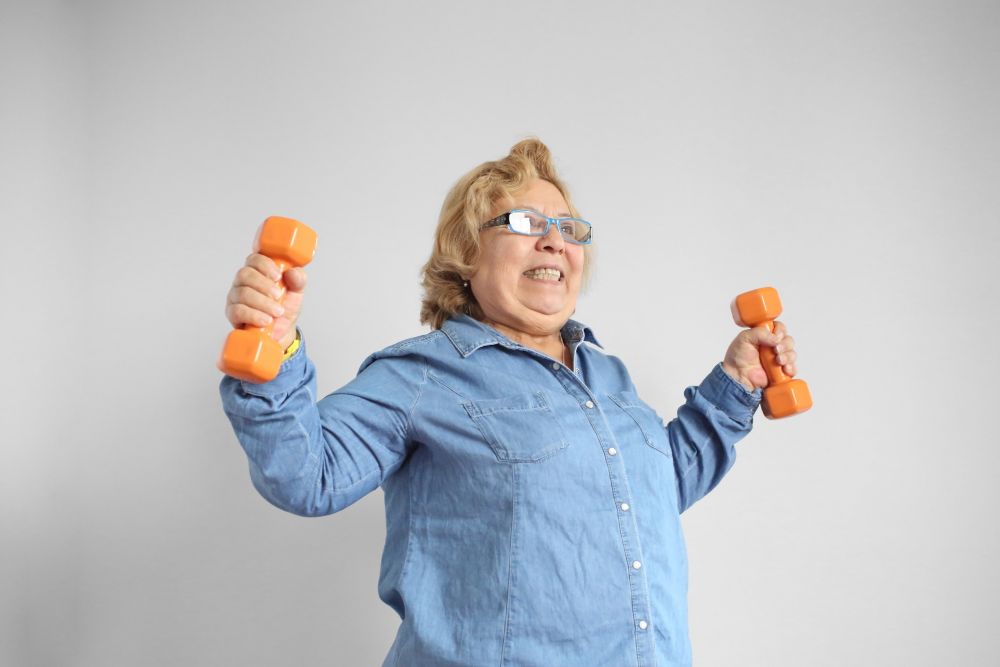
Muscle Mass Loss and Senior Independence
According to experts, sarcopenia causes structural changes in tissue, resulting in loss of muscle mass and function 1. These alterations cause mobility issues, falls, and reduced quality of life. However, you can slow this process by retaining muscle mass through diet and exercise. Doing so prevents several age-related issues, including the concerns discussed in the following sections.
Muscle mass can prevent disability
Recent studies show that changes in body composition and loss of strength contribute to disability in seniors 2. Losing muscle mass is linked to these issues since it often causes mobility problems. The less mobile you are, the harder it is to rise from a seated position, dress yourself, or run errands. As muscle mass decreases, so does your independence.
Although you can’t stop the loss of muscle mass, experts state that staying active can slow the progression 3. Strength or resistance training, including weights, resistance bands, yoga, and other muscle-contracting exercises, is recommended. These workouts help rebuild lost muscle mass, strength, and function, which reduces your risk of disability.
It can prevent early mortality
Serious health issues and the risk of early mortality are linked to reduced muscle mass and the loss of independence. For instance, a third of seniors report falls every year, according to recent studies 4. These falls often result from reduced muscle strength and agility, which limits function and mobility. A weaker body also increases fear of falling, which often results in more frequent falls.
The loss of muscle mass, strength, and function also increases insulin resistance, inflammation, and fatty tissue 5. These and other issues are linked to cardiovascular disease, which is often fatal if untreated. Staying active and maintaining muscle mass may prevent these conditions, so you can live a long, healthy, and independent life.
It prevents signs of aging
Preventing muscle mass loss slows signs of aging, helping maintain your independence. These age-related signs result from several changes that occur as we age. For instance, muscle loss, particularly in the core, affects posture and often results in stooping 6.
Leg muscles shrink and weaken over time, causing slow, difficult movements. Later in life, fat replaces lean muscle tissue, reducing overall physical strength. Such deterioration often prevents seniors from living independently. However, a lifestyle that includes a healthy diet and exercise slows the aging process, which allows you to maintain your freedom.
Resources:
- PubMed, Jan. 1, 2019, Sarcopenia: Aging-Related loss of Muscle Mass and Function
https://pubmed.ncbi.nlm.nih.gov/30427277/ - PMC, Sept. 8, 2008, Lower Extremity Muscle Mass predicts Functional Performance in Mobility-Limited Elders
https://pmc.ncbi.nlm.nih.gov/articles/PMC2544628/ - NIA, June 30, 2022, How can strength training build healthier bodies as we age?
https://www.nia.nih.gov/news/how-can-strength-training-build-healthier-bodies-we-age - PMC, March 11, 2023, Effects of Muscle Strength, Agility, and Fear of Falling on Risk of Falling in Older Adults
https://pmc.ncbi.nlm.nih.gov/articles/PMC10048873/ - AHA Journals, May 15, 2023, Sarcopenia and Cardiovascular Diseases
https://www.ahajournals.org/doi/10.1161/CIRCULATIONAHA.123.064071 - MedlinePlus, Aging changes in body shape
https://www.medlineplus.gov/ency/article/003998.htm
This article contains informational and educational materials and does not replace health or medical advice. For questions or concerns regarding your medical condition or health objectives, speak to a qualified physician or healthcare provider.



Leave A Comment